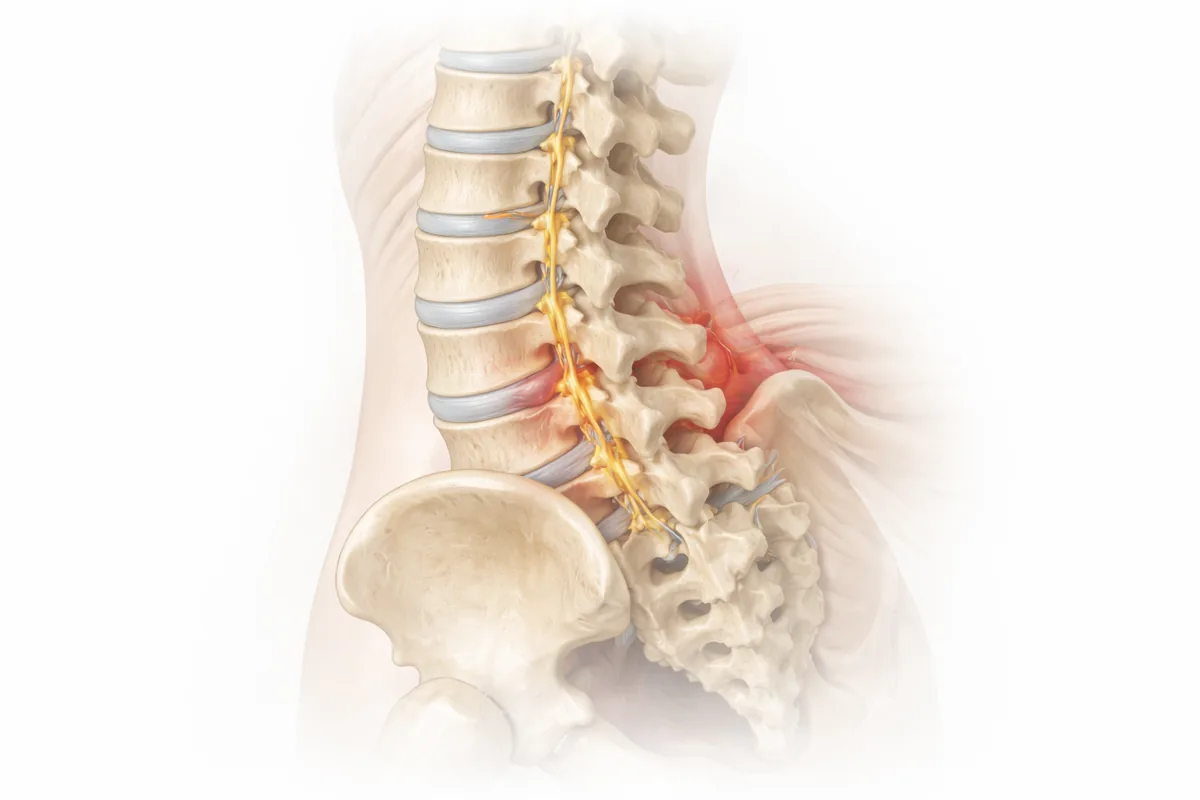
Understanding Back Pain
Back pain is one of the most common complaints we see in our San Antonio and Houston offices. Whether it's a nagging ache that won't go away or sharp pain that limits your daily activities, back pain significantly impacts quality of life. The spine is a complex structure of bones, discs, nerves, and muscles—any disruption in this system can cause pain.
Most back pain comes from mechanical causes: muscle strain, poor posture, or degenerative changes in the discs and joints. Some pain stems from nerve compression, when a herniated disc or bone spur presses on a nerve root. In rarer cases, back pain indicates a more serious condition requiring urgent intervention.
The key to effective treatment is getting the right diagnosis. That's where a specialized evaluation makes all the difference.
What Causes Back Pain?
Mechanical and Degenerative Causes
Muscle strain and ligament sprains are the most common culprits. These occur from sudden movements, lifting with poor form, or overuse. Most recover with rest and physical therapy.
Herniated discs happen when the soft inner material of a spinal disc protrudes through the outer layer. This can irritate nearby nerves and cause localized or radiating pain. Common in the lower back, herniated discs often respond to conservative care, though some cases benefit from surgical intervention.
Degenerative disc disease describes the breakdown of spinal discs over time. As discs lose water content and elasticity, they become less effective at cushioning vertebrae. This process is often painless—many people have disc degeneration without symptoms—but when it does cause pain, it's typically in the lower back.
Spinal stenosis occurs when the spaces within the spine narrow, compressing the spinal cord or nerve roots. This often develops with age and can cause pain, numbness, or weakness in the legs, especially when walking.
Trauma and Structural Issues
Fractures from falls, accidents, or trauma require prompt evaluation. While many heal conservatively, some compromise spinal stability and need surgical stabilization. Spondylolisthesis—when one vertebra slips forward on another—can range from stable and asymptomatic to unstable and painful.
Diagnosis: Dr. Cyr's Evaluation Approach
When you come to our San Antonio or Houston office with back pain, we follow a methodical diagnostic process:
Physical Examination
Dr. Cyr performs a thorough physical exam, assessing your posture, range of motion, and specific pain responses. We test for nerve involvement with straight leg raises, reflex checks, and sensory testing. This hands-on evaluation tells us a lot about what's causing your pain.
Imaging Studies
X-rays give us a baseline view of vertebral alignment and detect fractures or major degenerative changes.
MRI is the gold standard for visualizing discs, nerve compression, and soft tissue damage. It shows us the exact location and severity of disc herniations, stenosis, and other soft tissue problems.
CT scans provide detailed bone imaging when we need surgical planning or when MRI isn't possible.
Nerve conduction studies may be ordered if we suspect nerve damage or radiculopathy. These tests confirm whether pain is truly coming from nerve compression.
When Surgery Is Needed—And When It Isn't
This is perhaps the most important conversation we have with our patients. Not all back pain requires surgery, and Dr. Cyr is committed to conservative approaches first.
Conservative Treatment
Most back pain—roughly 80%—improves with non-surgical care:
- Physical therapy addresses muscle imbalances and teaches proper body mechanics
- Pain management strategies including medications, heat/ice, and activity modification
- Epidural injections deliver anti-inflammatory medications directly to nerve roots
- Lifestyle changes like ergonomic adjustments, strengthening exercises, and weight management
We typically pursue these options for 6-12 weeks before considering surgery.
When Surgery Becomes the Right Choice
Dr. Cyr recommends surgical intervention when:
- Conservative care has failed to provide meaningful relief over adequate time
- Imaging shows a specific, surgically correctable problem
- Symptoms are progressive or disabling
- There's evidence of nerve damage or spinal instability
Our surgical options are tailored to your specific diagnosis:
Minimally invasive discectomy removes herniated disc material pressing on a nerve, providing quick relief for radicular pain.
Laminectomy widens the spinal canal to relieve stenosis symptoms, restoring comfort and walking tolerance.
Lumbar fusion stabilizes unstable segments, addressing pain from instability or advanced degenerative disease.
These procedures are performed with Dr. Cyr's focus on minimizing tissue trauma and optimizing recovery. Many patients return to normal activities within weeks.
Related Conditions
Your back pain may be connected to other spine conditions. Explore how these diagnoses relate to your symptoms:
- Herniated disc — Specific cause of nerve compression pain
- Sciatica — Radiating pain from sciatic nerve involvement
- Spinal stenosis — Narrowing that compresses nerves
Next Steps
If you're dealing with persistent back pain in San Antonio or Houston, don't wait for it to resolve on its own. Dr. Cyr and our team will work with you to find the right treatment path—whether that's optimized conservative care or surgical intervention.
Schedule your comprehensive spine evaluation today. We'll perform the diagnostic work, explain exactly what we find, and build a personalized treatment plan that gets you back to the life you want to live.
Your back pain doesn't have to be permanent. Let's fix it.
Common Symptoms
- Dull or sharp aches in the upper, middle, or lower back
- Shooting or radiating pain down the legs
- Muscle spasms and stiffness
- Limited range of motion
- Numbness or tingling in the legs or feet
- Pain that worsens with activity or prolonged sitting
Treatment Options
- Physical therapy and rehabilitation
- Pain management and injections
- Lifestyle modification and posture correction
- Minimally invasive spine surgery
- Microdiscectomy and laminectomy procedures
- Spinal fusion when structural stability is compromised
Frequently Asked Questions
When should I see a back pain doctor?
Seek evaluation if your back pain persists beyond 4-6 weeks, worsens despite rest, or is accompanied by numbness, weakness, or leg pain. Progressive symptoms may indicate nerve compression requiring prompt diagnosis.
What causes most back pain?
The majority of back pain comes from muscle strain, poor posture, or degenerative changes in discs and joints. These mechanical causes usually respond well to physical therapy and conservative management.
Can back pain surgery be avoided?
In most cases, yes. About 80% of back pain improves with non-surgical treatment including physical therapy, injections, and activity modification. Surgery is reserved for cases with specific structural problems or progressive neurological loss.
Is back pain treatment available in Houston?
Yes. Dr. Cyr's Houston office (9125 West Road) provides comprehensive back pain evaluation, diagnostic imaging, and both conservative and surgical treatment options tailored to your specific condition.
How can I prevent back pain from returning?
Core strengthening, proper lifting mechanics, good posture, regular movement, and weight management are key. Continued exercise and ergonomic awareness after recovery help prevent recurrence.