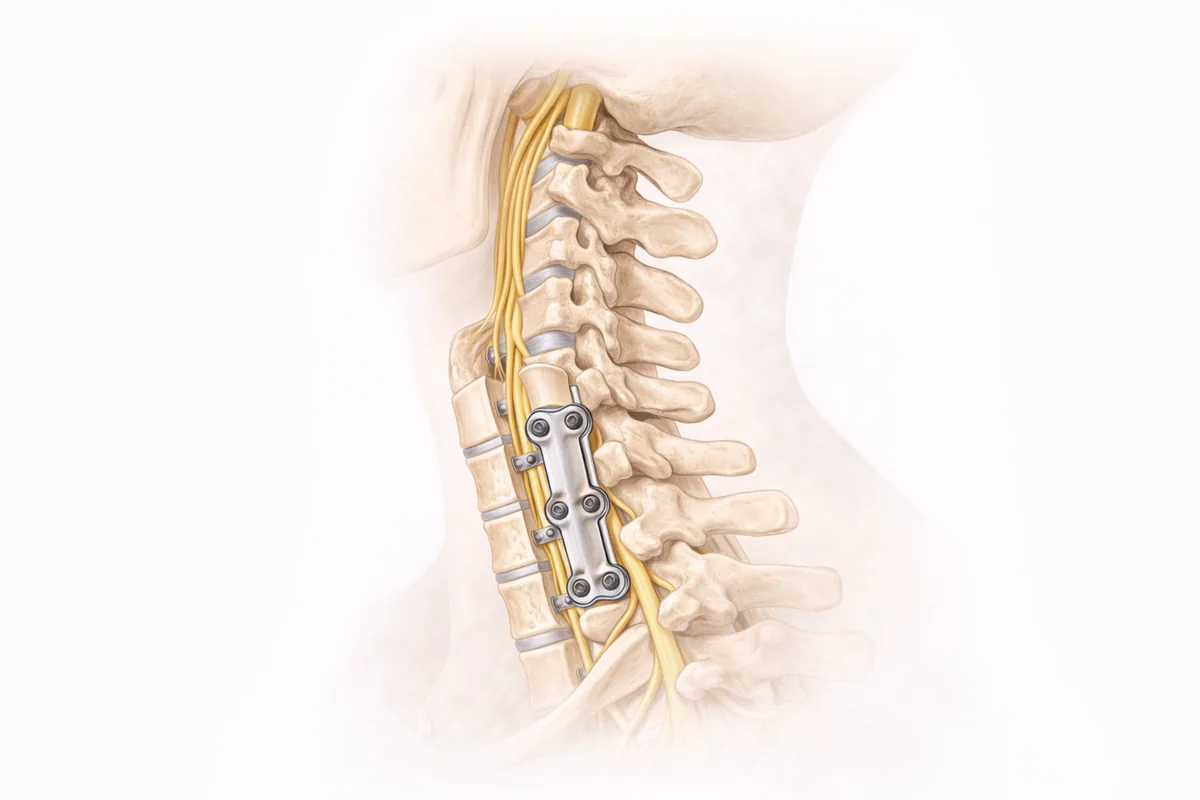
About Cervical Spine Conditions
The cervical spine consists of the seven vertebrae that make up the neck region. These vertebrae protect the spinal cord and support the weight and movement of the head. When conditions affect the cervical spine, they can cause debilitating pain and neurological symptoms that significantly impact daily life.
Dr. Cyr's Mayo Clinic training in both orthopedic and neurosurgical techniques gives him a unique understanding of the delicate nerve structures in the cervical region. His surgical precision allows him to operate near the spinal cord and major blood vessels with outcomes rarely seen in this demanding field.
When Surgery Is Recommended
Cervical spine surgery is typically considered after conservative treatments — such as physical therapy, medication, and injections — have failed to provide adequate relief. Dr. Cyr evaluates each patient individually, recommending surgery only when the benefits clearly outweigh the risks.
Conditions commonly treated with cervical spine surgery include cervical disc herniation, cervical spinal stenosis, cervical radiculopathy, degenerative disc disease, and cervical myelopathy. Many of these conditions result in neck pain that can be successfully managed through surgical intervention.
What to Expect
Most cervical spine procedures are performed under general anesthesia. Depending on the specific procedure, patients may go home the same day or spend one to two nights in the hospital. Dr. Cyr uses advanced techniques, including motion-preserving disc replacement when appropriate, to optimize recovery and long-term outcomes.
Related Reading
When This Procedure Is Recommended
- Chronic neck pain that does not respond to conservative treatment
- Radiating pain, numbness, or tingling in the arms or hands
- Weakness in the upper extremities
- Loss of fine motor skills or coordination
- Headaches originating from the neck
Surgical Techniques
- Anterior Cervical Discectomy and Fusion (ACDF)
- Cervical Disc Replacement (Artificial Disc)
- Posterior Cervical Foraminotomy
- Cervical Laminoplasty
- Minimally Invasive Endoscopic Procedures
Frequently Asked Questions
What causes cervical spine pain and when should I consider surgery?
Cervical spine pain often comes from disc herniation, spinal stenosis, or degenerative disc disease. Surgery is typically considered only after conservative treatments like physical therapy and injections have failed to provide relief.
How long is recovery after cervical spine surgery?
Most cervical procedures can be done as same-day surgery or with just 1–2 nights in the hospital. Many patients return to light activities within 2–4 weeks, though full recovery varies by procedure.
Will cervical spine fusion affect my ability to move my neck?
Fusion fixes motion at one level, but your cervical spine has seven vertebrae. Most patients notice minimal impact on daily movement and flexibility once pain resolves and physical therapy is complete.
What are the risks of cervical spine surgery?
Standard surgical risks include infection, bleeding, and blood clots. Specific to cervical surgery are rare nerve or spinal cord injury. Dr. Cyr's Mayo Clinic training in both orthopedic and neurosurgical techniques minimizes these risks.
Can I return to normal activities after cervical spine surgery?
Yes. After proper healing and physical therapy, most patients return to normal daily activities, work, and exercise. We provide personalized post-operative plans to optimize your recovery timeline.